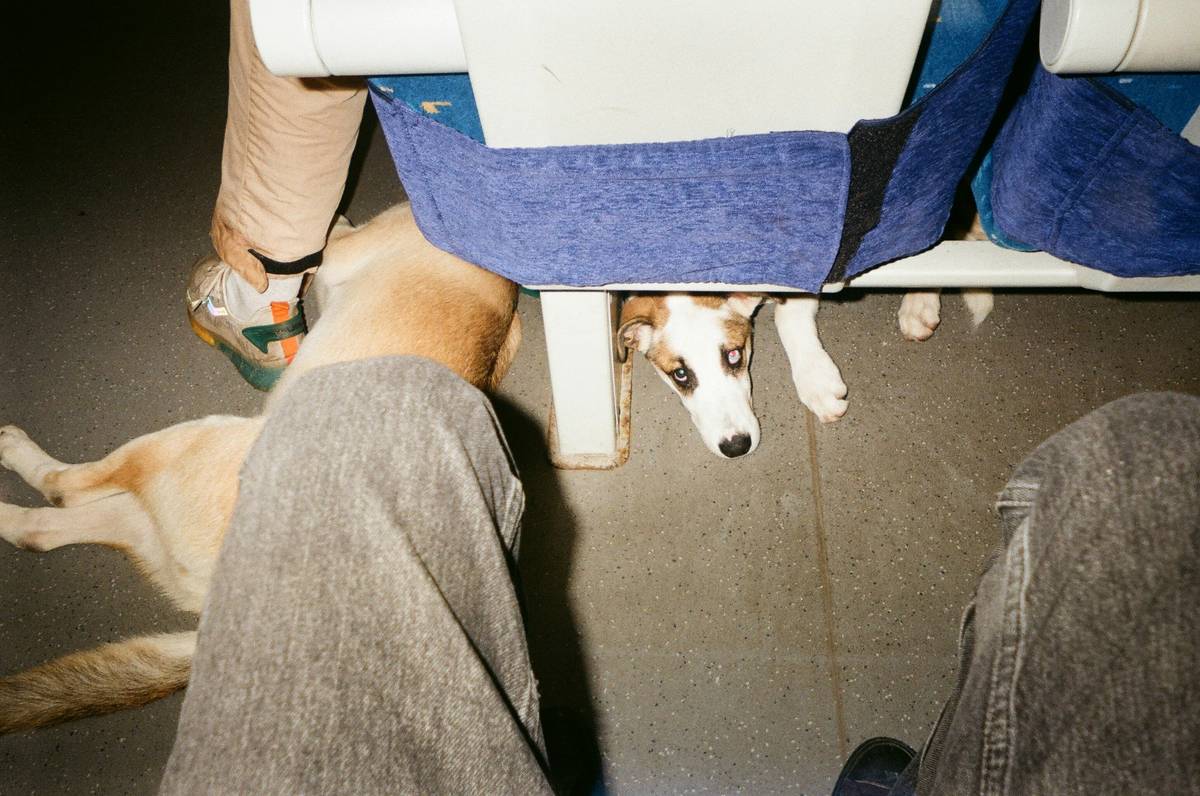
You booked your flight. Your emotional support dog is crate-trained, calm, and certified. Then—denied at check-in. Again. Airlines keep changing policies, and confusion reigns. But here’s the truth: emotional support dog travel rights aren’t dead—they’ve just shifted underground.
Why Most ESA Travel Plans Fail (Before Takeoff)
Airlines stopped recognizing emotional support animals as service animals after 2021 DOT rule changes. Yet thousands still fly legally—with preparation most owners skip.
And it’s not about fake vests or Instagram-worthy certificates. The real issue? Misunderstanding the difference between accommodation requests and legal entitlements. Emotional support dogs don’t have automatic cabin access like ADA-recognized service dogs. But that doesn’t mean you’re grounded.
How to Legally Fly With Your Emotional Support Dog
The path forward hinges on one thing: treating your trip as a medical accommodation—not a right. Here’s how seasoned handlers do it.
Step 1: Confirm Airline Policy FIRST
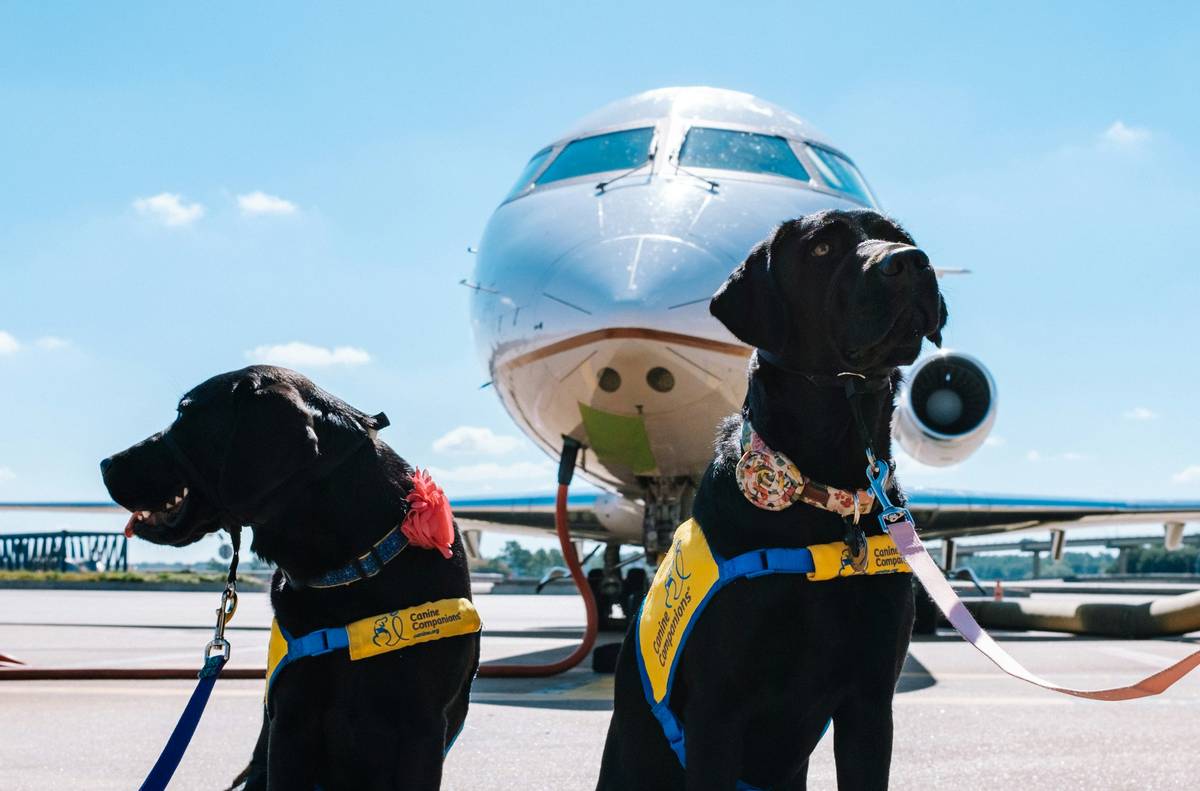
Each airline sets its own ESA rules post-2021. Some—like Delta or United—only accept psychiatric service dogs (PSDs), not ESAs. Others, especially international carriers, may still consider ESA documentation if submitted correctly.
Step 2: Get the Right Documentation
Forget online “certificates.” You need a letter from a licensed mental health professional dated within one year of travel. It must state you have a diagnosed condition and the dog is necessary for in-flight emotional stability.
Step 3: Submit Early—and Follow Up
Most airlines require ESA/PSD forms 48–72 hours before departure. Upload via their portal, then call to confirm receipt. Miss this window? Your dog flies cargo—or you don’t fly at all.
| Airline Approach | ESA Accepted? | Required Docs | Advance Notice |
|---|---|---|---|
| U.S. Legacy Carriers (Delta, American, United) | No — only Psychiatric Service Dogs (PSDs) | DOT Form + Mental Health Letter | 48 hours |
| Select International Airlines (e.g., Lufthansa, Air Canada) | Sometimes — case-by-case | Mental Health Letter + Vaccination Records | 72+ hours |
| Budget/U.S. Domestic (Spirit, Frontier) | No | N/A | N/A |
The Industry Secret: Train Like a PSD—Even If You’re Not One
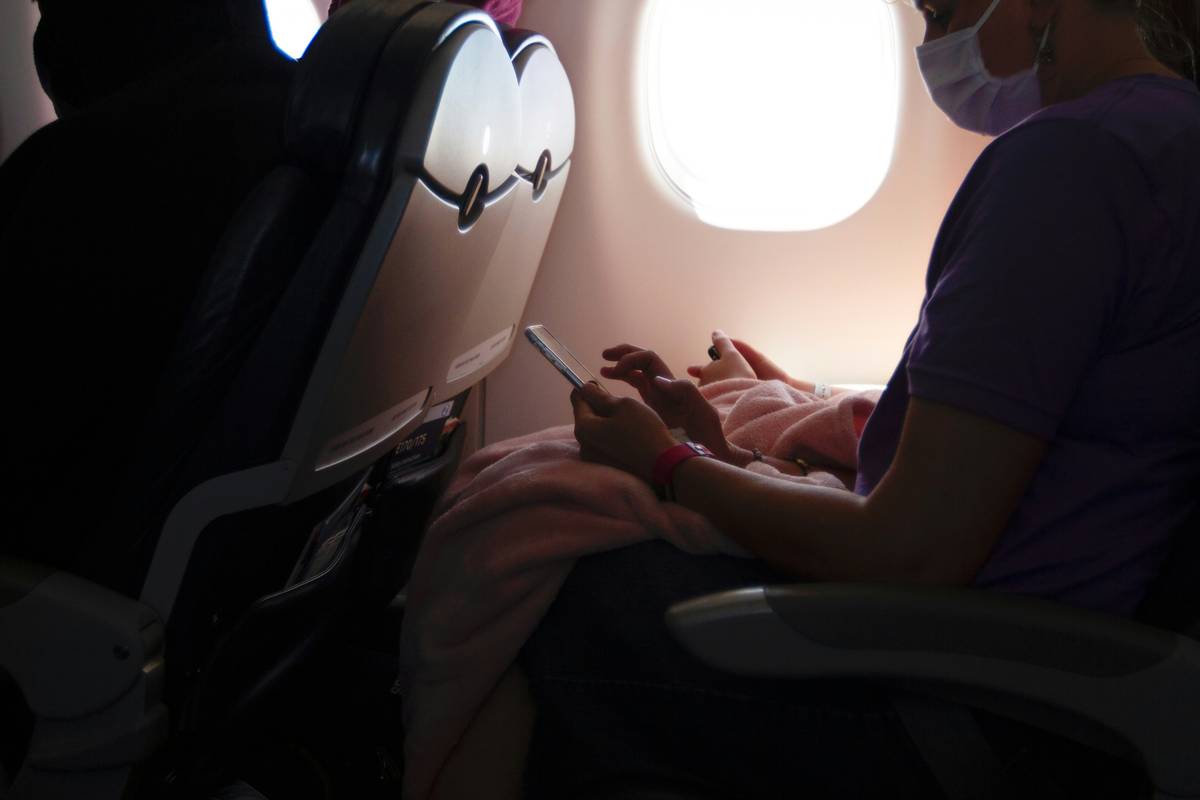
Here’s what no one admits: airlines scrutinize behavior more than paperwork. An ESA that whines, barks, or blocks aisles gets denied—even with perfect letters.
Top trainers prep ESAs using psychiatric service dog protocols: public access training, stress desensitization (jet engines, crowds), and “quiet” commands under pressure. Why? Because if your dog acts like a service animal, gate agents are far less likely to question credentials. The math is simple: perception shapes permission.
And yes—it’s legal. There’s no federal law against training an ESA to higher standards. In fact, it’s your best leverage when policies are gray.
Frequently Asked Questions
Can I still bring my emotional support dog in the cabin for free?
Not on most U.S. airlines since 2021. Only trained psychiatric service dogs qualify for free cabin access. ESAs are treated as pets—unless flying internationally with specific carriers that accept them.
What’s the difference between an ESA and a psychiatric service dog?
ESAs provide comfort through presence alone; they don’t perform trained tasks. PSDs execute specific actions (e.g., interrupting panic attacks). Only PSDs have full federal travel rights under DOT rules.
Do I need to register my emotional support dog?
No. Registration sites are scams. Legally, you only need a letter from a licensed therapist. No database, no ID card, no government registry exists or is required.