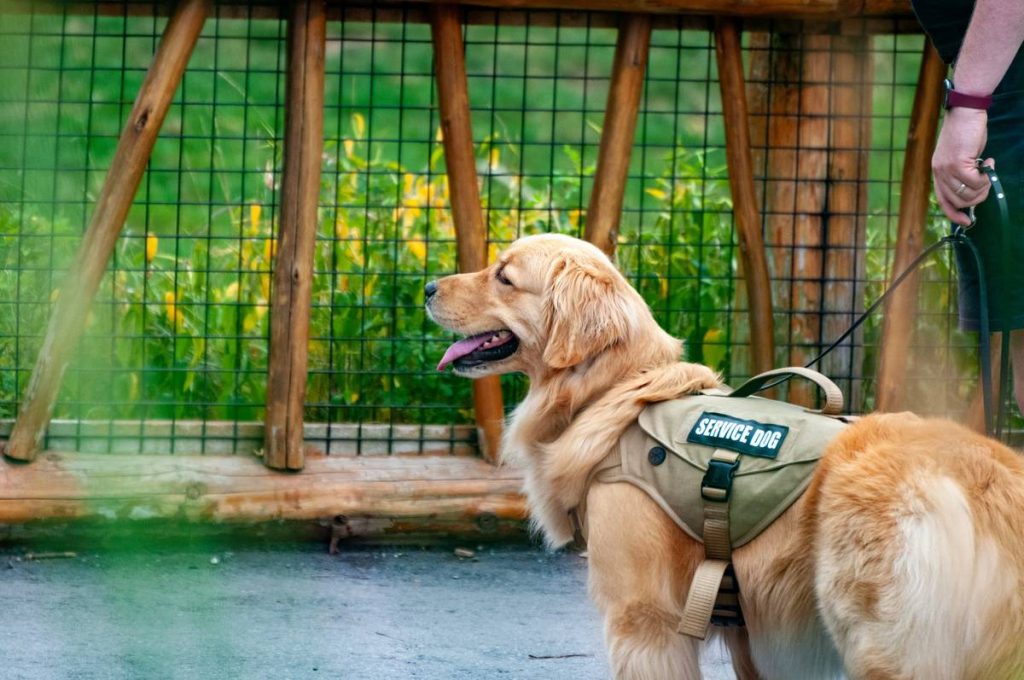
You want your dog to be more than a companion—you need them to be your anchor. But most “emotional support dog training” programs teach surface-level obedience while ignoring the nervous system connection that actually calms human anxiety. The result? A well-behaved pet that still can’t read your panic attack or ground you during sensory overload. Real dog emotional support skills training isn’t about commands—it’s about co-regulation.
Why Traditional Obedience Training Fails Emotional Support Dogs
Obedience schools drill sit-stay-come. That’s table stakes—not therapeutic support. An emotional support animal (ESA) must respond to subtle shifts in your breathing, posture, or voice tone before you even realize you’re spiraling. But standard trainers treat dogs like robots, not intuitive partners.
And here’s what nobody admits: many certified “ESA trainers” have never worked with clients managing PTSD, autism meltdowns, or chronic depression. They mimic service dog curriculums—designed for physical tasks—and slap on an ESA label. It doesn’t translate.
The math is simple: if your dog freezes when you cry instead of nudging your hand or applying deep pressure, their training missed the point.
dog emotional support skills training: a step-by-step framework
Forget generic checklists. This method builds situational awareness first, then layers intentional behaviors. Start slow. Build trust before tasking.
Phase 1: Baseline Bonding & Body Reading
Spend 7–10 days recording your dog’s natural responses to your emotional states. Do they lean into you during phone calls? Hide when voices rise? This isn’t about correction—it’s data collection. Your dog already communicates; you just need to decode it.

Phase 2: Anchor Behaviors (Not Tricks)
Choose 2–3 core calming actions based on your needs: Deep Pressure Therapy (DPT), tactile interruption (paw on leg), or guided redirection (leading you to a quiet room). Train these using emotional context, not food alone. Example: practice DPT while you simulate shallow breathing—not during neutral playtime.
Phase 3: Environmental Desensitization
Your dog must stay regulated in chaotic settings—grocery stores, airports, crowded sidewalks. Most fail here because they only train at home. Use micro-exposures: 90 seconds near a noisy café, then retreat and reward calmness. Repeat. Duration matters less than recovery speed.
| Training Approach | Time Investment | Real-World Effectiveness | Cost Range |
|---|---|---|---|
| Generic Obedience Classes | 4–6 weeks | Low (focuses on compliance, not emotional attunement) | $150–$400 |
| Dog Emotional Support Skills Training (Custom Protocol) | 8–12 weeks (owner-led, daily micro-sessions) | High (builds co-regulation reflexes) | $0–$200 (self-guided) or $600–$1,500 (specialist coaching) |
| Certified Service Dog Programs (Misapplied to ESAs) | 18–24 months | Moderate (over-engineered for non-task roles) | $15,000–$50,000 |

The Industry Secret: Emotional Contagion Works Both Ways
Here’s what top-tier trainers know but rarely disclose: your nervous system trains your dog more than your clicker ever will. Dogs mirror human cortisol levels within minutes. If you’re tense during training sessions—even while saying “good boy”—your dog learns to associate “support work” with stress.
Solution? Lead with your own regulation. Breathe deeply before cuing a behavior. Keep sessions under 7 minutes. And never train during active distress. An emotionally flooded human creates an emotionally confused dog. Calm begets calm. It’s physiological—not philosophical.
Frequently Asked Questions
Can I train my own emotional support dog?
Yes—if you commit to daily micro-sessions focused on emotional attunement, not just obedience. Self-training builds stronger co-regulation than outsourcing to a trainer who doesn’t live with you.
How long does dog emotional support skills training take?
Basic anchoring behaviors (like paw-touch interruption) can emerge in 2–3 weeks. Full environmental reliability typically requires 8–12 weeks of consistent, context-based practice.
Do emotional support dogs need certification?
No. Unlike service animals, ESAs require no formal certification under U.S. law. Documentation from a licensed mental health professional suffices for housing and travel accommodations.